Smart, Easy Personal Safety Tips

April 25, 2018

Habits that can minimize risks

Half of staying safe these days is staying smart. A few small changes to your daily routines can help prevent unnecessary risks. Even if you don't feel that there are any particular dangers in your everyday life, try to use these suggestions to be on the safe side. Carry Some Protection A small canister of pepper spray or mace can be a powerful yet non-lethal deterrent to a potential attacker. A sonic alarm or self-defense device like a stinger are two other options. While it's a little easier for a woman to tote these types of items around in a purse, men who carry backpacks or briefcases can to the same. There are also some small products that can be carried in pockets or on keychains. If you have none of these things, a house or car key gripped in your fist can work in a pinch. Note: Always check with your local Law Enforcment officials to learn what self protections devices are legal in your area. Stay Safe on Social Media Today's culture is so used to sharing anything and everything on social media, even though it can be a serious safety risk to do so. Personal information, photos, schedules and plans are all things best kept off the Internet. Are you letting the whole world know that your house is going to be empty on certain dates because you're broadcasting your upcoming holiday? Keep Alert Do you wear headphones when you are out walking, or maybe you just focus too closely on your phone while in public? Either way, you're not paying attention to what's going on around you. Always keep an eye on your surroundings for suspicious behavior from others as well as other hazards and obstacles. That includes checking out anyone coming up from behind you too. Be Cautious with Inbound Calls We all get unsolicited phone calls from people trying to get us to answer surveys or subscribe to newspapers, but what about a caller who claims to be from your bank? Would you trust them? Feel free to find out what the situation is but never give out sensitive information (account numbers, passwords) over the phone if you aren't the one who made the call. If you were the one to call the bank, for example, then you can be assured you are in fact talking to a bank employee. Stay in the Open Avoid restricted or isolated areas, particularly if they are poorly lit (after dark). Not only can potential attackers be lurking in the shadows, you are putting yourself at more risk from unseen obstacles if you insist on walking through dark alleys or abandoned spaces.
With a little attention and diligence on your part, it's easy to stay safe and protected.


-------------------------------

“Ask Jeff" is a weekly post made on the RyanAgency.com Blog. 

Submit an insurance-related question to “Ask Jeff”. 

-------------------------------

This article may have been originally published at Quora.com.

To see Jeff's Quora.com profile click here.
By Jeff Ryan April 7, 2026
Factors You Can’t Easily Control These factors are built into your profile, but still play a major role: Your location: Claim trends, traffic, and weather patterns where you principally drive. Your age and driving experience: Especially for younger drivers. Other drivers in your household: Their age and driving history. The vehicle you own: Unique to the Year, Make, Model, and Sub-model’s damageability and cost of parts/labor. These factors significantly influence price differences, but they don’t tell the whole story. Factors You Can Control This is where habits and wise decisions can make a real difference: Your driving habits: Minimizing tickets and accidents can have a direct impact. Your coverage choices: Liability limits, deductibles, and optional coverages can vary widely. Your insurance consistency: Avoiding lapses in coverage. Your annual mileage: How much and how often you drive. Discount opportunities: Bundling, pay-in-full, NYS defensive driving course. Your Insurance Score (Yes—You Can Influence It) Insurance companies use a credit-based insurance score as part of their rating process. While it’s based on financial behaviors, it is not permanent—and it can be improved over time. Simple habits like: Paying bills on time Reducing outstanding debt Avoiding excessive credit inquiries… can positively impact your score—and in turn, your insurance rates. Your insurance score is under your control and a worthy mid to long-term project in and of itself. For more information on what you can do to positively influence your score, see: Great 8 Tip #8 - What's Credit Got to Do with Insurance? How Can I Improve My Auto Insurance Score Why Comparing Rates Doesn’t Work When someone says, “I only pay…” , the uniqueness of their fingerprint is missing. What are their: Deductibles Driving history Insurance score Household profile Coverage limits: what they may be giving up in terms of protection. Price without context can be misleading and discouraging.
By Jeff Ryan - CLU, ChFC, AIA, CIC, CPCU December 7, 2025
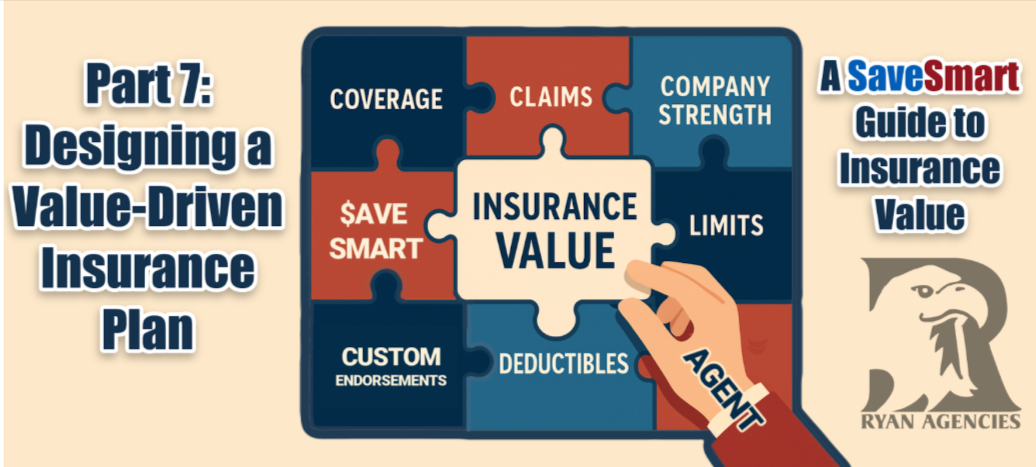
Part 7 – Designing a Value-Driven Insurance Plan
By Jeff Ryan - CLU, ChFC, AIA, CIC, CPCU November 24, 2025
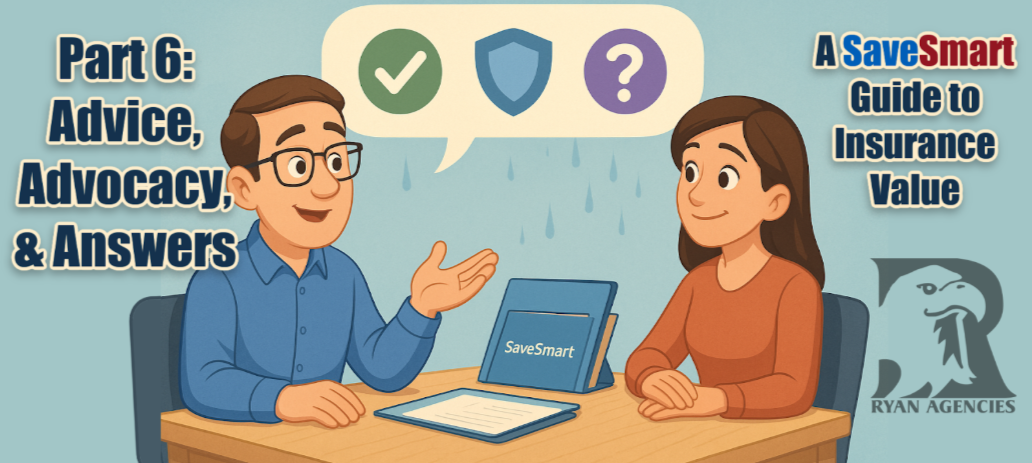
Part 6 – Advice, Advocacy, and Answers
By Jeff Ryan - CLU, ChFC, AIA, CIC, CPCU November 12, 2025
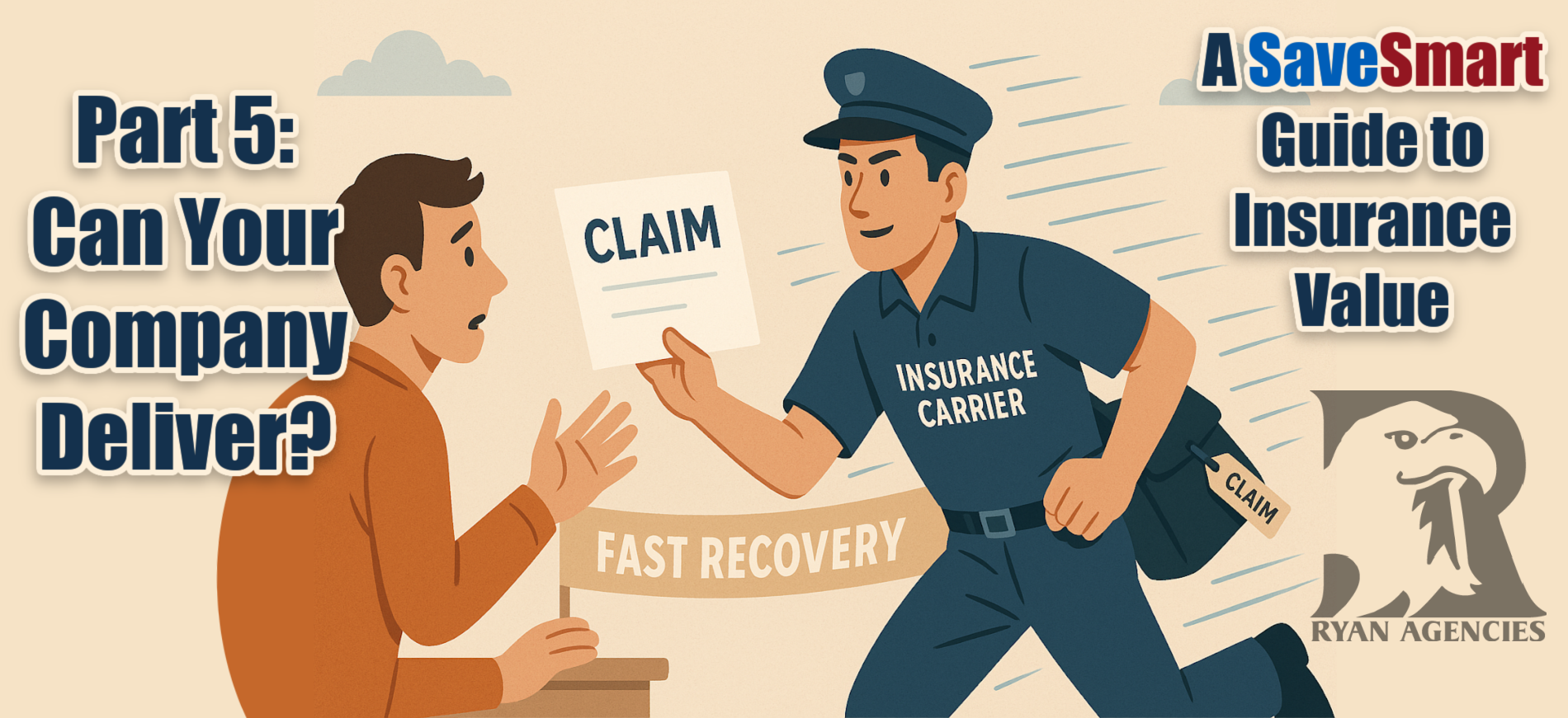
Part 5 – Can Your Company Deliver?
By Jeff Ryan - CLU, ChFC, AIA, CIC, CPCU October 29, 2025
Part 4 – Custom Coverage = Real Protection
By Jeff Ryan - CLU, ChFC, AIA, CIC, CPCU October 15, 2025
Part 3: Coverage Limits - "The Ceiling You Don't Want to Collapse"
By Jeff Ryan - CLU, ChFC, AIA, CIC, CPCU October 1, 2025
Part 2 – The Risks of Chasing Cheap
By Jeff Ryan - CLU, ChFC, AIA, CIC, CPCU September 17, 2025
Part 1: What Are You Really Paying For?
Insurance fraud is a significant problem, exceeding $300 billion annually, with the Property and Cas
By Jeff Ryan May 6, 2025
Insurance fraud is a significant problem, exceeding $300 billion annually, with the Property and Casualty sector contributing nearly $50 billion to that total.
Living in New York, you might have a stack of insurance documentsโ€”auto, homeowners, health, or life
By Jeff Ryan April 28, 2025
Living in New York, you might have a stack of insurance documents—auto, homeowners, health, or life insurance policies—filed away somewhere. But how long should you keep those documents, and specifically, what papers should you hold on to?